


How Are Our Lavender Products Made in Small Batches?

Last Updated: October 29, 2026
Quick Summary
Our small-batch lavender moves through six stages: harvest, drying, distillation, testing, finishing, and storage. We hand-cut stems, air-dry bundles in a dark ventilated space, and steam-distill slowly, making decisions by smell and sight rather than a factory timer.
Cut lavender stems in the cool morning hours, when the oil is at its best.
Hang bundles in a dark, ventilated space until stems snap cleanly, not bend.
Steam distillation lifts oil from buds into a condenser, with nothing else added.
Store finished products in a cool, dark space and rotate stock so older batches ship first.
Table of Contents
From Field to Bottle: A Small-Batch Lavender Workflow
Small-batch lavender starts with a simple promise: We grow the lavender and turn it into products in small batches rather than mass quantities. That slower pace is the whole point.
The small-batch lavender workflow moves through six stages:
Harvest: hand-cutting stems at the right moment
Drying: air-drying bundles in a dark, ventilated space
Distillation: steaming plant material to capture oil and hydrosol
Testing: checking each batch for purity and aroma
Finishing: blending, bottling, and labeling by hand
Storage: protecting the batch until it reaches you
Every small batch moves through the same six stages, from the field to your shelf.
How to Dry Lavender for Products
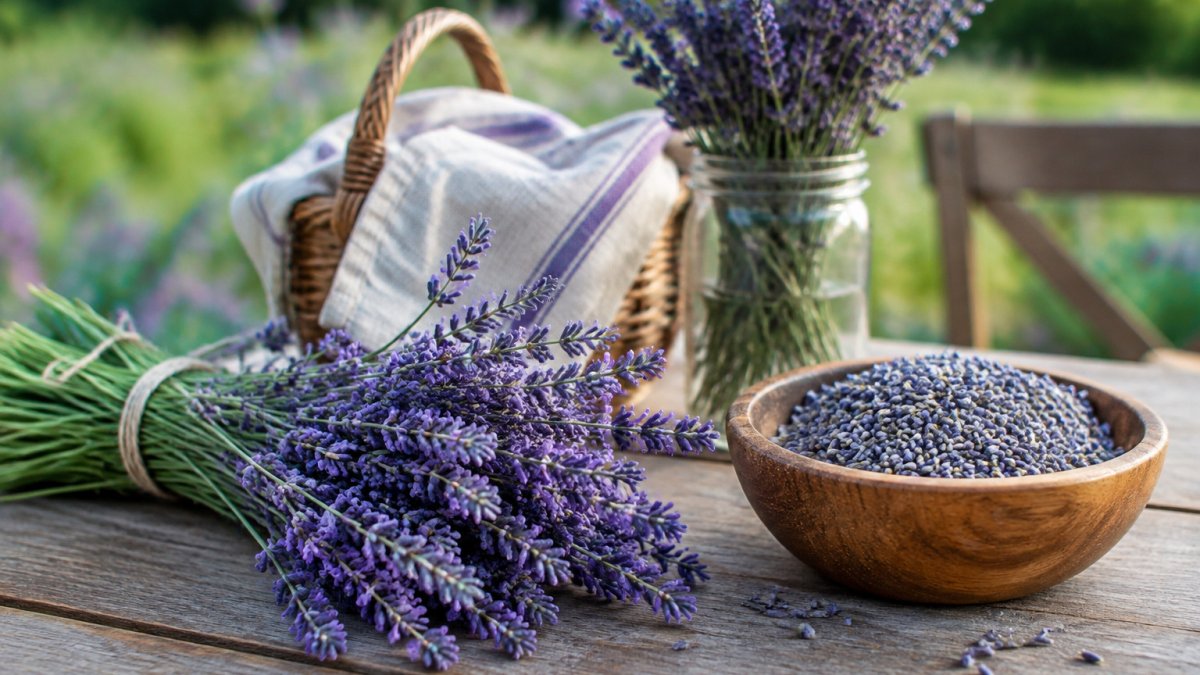
Drying is the most overlooked step, and it decides the quality of everything that follows. Lavender should be dried in small bundles, hung upside down in a dark, dry room with steady airflow. Heat and direct sun pull the color and the fragrance out of the buds before they ever reach a bottle.
Cut stems in the cool morning hours, when the oil is at its best
Bundle loosely with twine so air moves through the stems
Hang in a dark space with good ventilation
Let bundles dry until stems snap cleanly, not bend
Strip buds over a clean cloth and store them in sealed glass
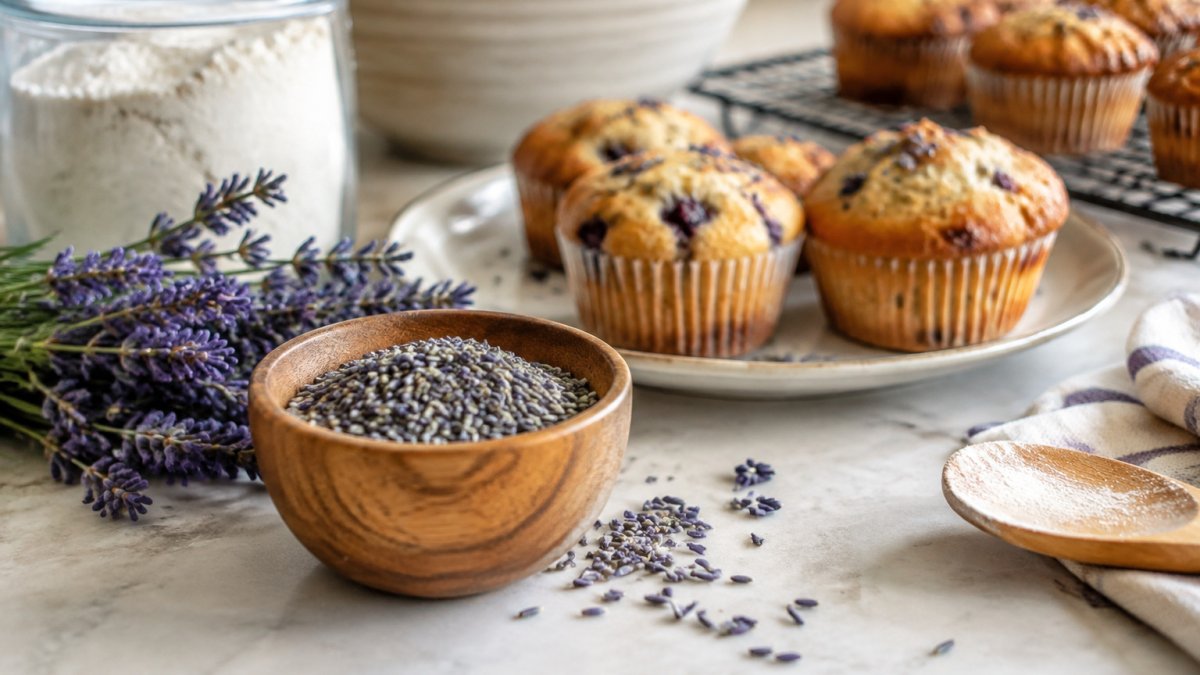
A common mistake is drying in a hot attic or a sunny window. The lavender looks fine, but the scent fades fast. Slow, dark, dry air is what keeps the aroma bright. Once dried, the buds go two directions: culinary use and distillation. If you want to see where the culinary side ends up, browse our culinary lavender, teas, and treats to get a sense of the finished goods.
The Lavender Steam Distillation Process, Step by Step
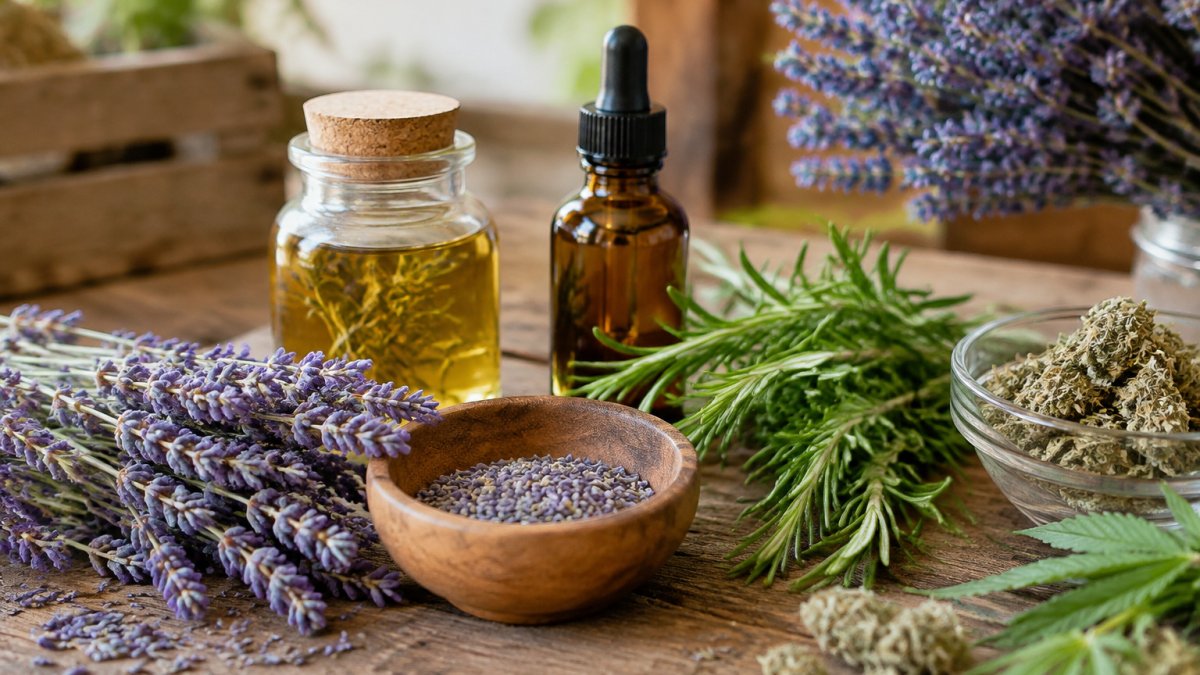
Steam distillation is how we turn dried lavender buds into essential oil and hydrosol. The idea is simple: steam passes through the plant material, lifts the oil from the buds, and carries it into a condenser, where it cools back into liquid. The oil floats on top of the water and gets separated out. Nothing else is added.

What makes a small batch different is not a secret ingredient. It is the pace. We run the still slowly, watch the steam, and make decisions by smell and sight rather than by a factory timer. When you're ready to bring home the finished result, you can order your Lavender Essential Oil today.
Finishing Touches: Quality Control, Packaging, and Storage
Most articles stop at distillation. But the steps between a finished oil and a product on your shelf are where small-batch care shows up most. Here is how we handle the final stretch.
Quality checks. Before a batch moves forward, we look at it the way a customer would. We smell the oil and compare it to the previous batch to catch any drift in aroma. We hold it up to the light to check clarity. For hydrosol, we look for a clean, consistent appearance and a fresh scent. If something seems off, we set it aside rather than bottle it. We also keep simple batch notes: harvest date, distillation date, and any observations. That record is how we trace a product back to its field.
Blending and filling. Some products are single-ingredient, like essential oil or hydrosol. Others are blends, such as skin care or soaps, where the distillate is combined with other natural ingredients. We mix in small containers, fill by hand, and check each unit as it goes.
Storage before shipping. Finished products are stored in a cool, dark space away from heat and sunlight. Essential oils stay in their dark glass until they are packed for an order. Hydrosol is kept sealed and cool. We rotate stock so older batches ship first. This is simple, but it is the difference between a product that smells bright when it arrives and one that has faded on a shelf.
A note on home storage. Once a product reaches you, a little care goes a long way. Keep essential oil in its dark bottle, capped, away from a sunny windowsill. Store hydrosol in a cool spot and use it within its recommended window. Small-batch products reward that attention.
Watch out: storing essential oil in clear plastic or a warm windowsill will degrade it faster than most people expect. Small-batch products reward a little care at home. To see the finished line, explore our lavender skin care, oils, and soaps made in small runs on the farm.
Bring Home a Small-Batch Lavender Product
Every product we offer is made with care, whether handmade in small batches or processed in a local Kentucky laboratory.
Our online shop is open for ordering from home. Browse the full range of handcrafted goods and find your favorite: shop lavender essential oils, gifts, and more.
Small-batch production asks for patience, but it gives back in quality you can notice. If you want lavender products made with care, from a family farm that grows what it sells, Bayer Farms is here. Our products are handmade in small batches or processed in a local Kentucky laboratory, and our online shop ships nationwide. Get started with Bayer Farms and bring the calm of the field into your home.
Comments