


Is Culinary Lavender Safe for Baking?

Last Updated: November 10, 2026
Quick Summary
Culinary lavender is generally safe for baking when it is sold as food-grade and the variety is suitable for eating. English lavender is the variety most often recommended for cooking. Use small amounts, since too much lavender is the most common cause of soapy or bitter baked goods.
Look for labels that say culinary or food-grade and name the lavender type.
Confirm the product is dried flower buds, not stems, leaves, essential oil, or craft lavender.
Ask sellers how the lavender was grown, dried, tested, and stored before buying.
Start with 1 to 2 teaspoons of dried buds for a batch of cookies or shortbread.
Taste a small test batch when cooled, since lavender flavor can turn soapy as it sits.
Table of Contents
Culinary lavender is generally used in baking, but not every lavender is suitable for the oven. This guide explains how to tell food-grade lavender from ornamental lavender, what to check when buying, and how much to use. Two cautions from cooking publications set the tone: not all lavender belongs in food, and non-culinary lavender can make baked goods taste soapy or bitter.
How to Tell Culinary Lavender From Ornamental Lavender
Culinary lavender is the variety and grade grown and sold for eating. Ornamental lavender is grown for landscaping, cut flowers, and crafts, and it may carry a higher camphor content. Bon Appétit advises against cooking with lavender when you are unsure of its suitability, and cautions against using lavender essential oil in food. SugarHero notes that non-culinary lavender can taste woody, soapy, or slightly bitter in baked goods.
Look for these signs on the label:
The product is sold as culinary or food-grade lavender
The label names the lavender type and the growing method
The buds are dried flower buds, not stems mixed with leaves
The product is not labeled as essential oil, fragrance, or craft use
Lavender Varieties Used in Cooking
English lavender, Lavandula angustifolia, is the variety most often recommended for cooking. Its flavor is sweeter and less camphorous than lavandin or many ornamental types. When a seller does not name the variety, ask before you buy.
Checking That Your Lavender Is Food-Grade and Pesticide-Free
Food-grade labeling and safe growing practices are not the same thing, and this is the distinction most baking guides skip. A "food-grade" or "culinary" label tells you the product is intended for eating. It does not, by itself, tell you how the plant was grown, how it was dried, whether it was tested for contaminants, or whether it was stored away from craft and fragrance stock. Treat the label as a starting point, not a guarantee.
Ask the seller these questions before you buy, and listen for specific answers rather than reassurances:
Growing method. Was the lavender grown without synthetic pesticides, and can the seller describe the practice, for example, a stated spray-free period before harvest or a certified organic program? "We don't spray" without detail is weaker than a named practice.
Drying and handling. Was it air-dried or mechanically dried at food-safe temperatures, and was it processed on equipment also used for food? Lavender dried for crafts may be handled in spaces that never meet food standards.
Testing. Does the seller test for microbial contamination, heavy metals, or pesticide residue? Not every small farm tests, but a seller who can explain what is and isn't tested is more trustworthy than one who implies everything is verified.
Variety and plant part. Can they name the species (English lavender, Lavandula angustifolia, is the usual culinary choice) and confirm the product is dried flower buds rather than stems, leaves, or a blend?
Storage and separation. Is the culinary product stored separately from essential oils, sachets, and ornamental stock? Cross-contact in a shared facility is a real risk.
Watch out: a food-grade label on a jar does not answer the growing question, and a pesticide-free claim does not answer the processing question, you often need both answers, and a seller who can only supply one is telling you something.
Bayer Farms sells culinary lavender grown in Kentucky for baking, and the product details are written to answer these questions so you can check them against this list before you order.
Essential oils and craft lavender can look similar in a jar, and neither belongs in baking. Culinary buds are a whole plant ingredient used by the teaspoon; essential oil is a concentrated extract measured in drops, and the two are not interchangeable. If a recipe or product listing calls for lavender oil, treat that as a separate ingredient with its own cautions rather than a substitute for buds.
Before you buy, check these five points, since a food-grade label alone does not answer how the lavender was grown, dried, or stored.
Check | What to ask | Strong answer |
Growing method | Was it grown without synthetic pesticides? | A named practice, such as a spray-free period or certified organic program |
Drying and handling | Was it air-dried or dried at food-safe temperatures? | Dried on equipment also used for food |
Testing | Is it tested for contaminants or pesticide residue? | Seller explains what is and isn't tested |
Variety and plant part | Is it named and dried flower buds only? | Named species, such as English lavender, with buds only |
Storage and separation | Is culinary stock kept apart from oils and sachets? | Stored separately to avoid cross-contact |
How Much Lavender to Use in Baking
Start small and scale by the batch, not by the spoon. Lavender is potent, and the most common baking failure is not too little but too much. A dependable starting framework, stated as ranges rather than rules because varieties and harvests differ:

Cookies, shortbread, and biscuits (about 2 dozen): start with 1 to 2 teaspoons of dried buds, crushed or ground, for the whole batch.
A single loaf cake or quick bread: start with 1 to 1 1/2 teaspoons of dried buds.
A 9-inch round cake or a batch of cupcakes: start with 1 teaspoon, and consider infusing it into the milk or butter rather than stirring buds into the batter.
Simple syrup or frosting: start with 1 teaspoon of buds per cup of liquid or sugar, steep, then strain.
These are starting points, not ceilings. Bake a small test batch, taste it cooled (flavor reads stronger warm and can turn soapy as it sits), and adjust the next batch by half a teaspoon at a time.
Scaling tips that hold up in practice:
Double the batch, not the lavender. If a single batch tastes right, two batches usually need less than double the buds because the flavor compounds concentrate as volume grows.
Grind or crush buds before mixing so the flavor distributes evenly and you avoid gritty bites. A spice grinder or mortar and pestle works; pulse briefly so the buds don't turn to paste.
Infuse for a gentler flavor. Steep buds in warm milk, cream, or melted butter for 10 to 15 minutes, then strain before using. This trades some intensity for control and is the safest route for custards and ice creams.
Use a measurable concentrate when you want repeatability, lavender honey syrup or lavender extract lets you add flavor by the teaspoon without guessing at bud strength.
Watch out: if the first bake tastes soapy, bitter, or woody, the cause is usually too much lavender, buds that were old or poorly stored, or a non-culinary variety, cut the amount in half, confirm the product is culinary grade, and try infusing rather than mixing in buds before you blame the recipe.
!Hands measuring dried lavender buds into a small glass bowl beside a mixing bowl of cookie dough on a farmhouse kitchen counter
Dried Versus Fresh Lavender
Dried culinary buds are the most common choice for baking because they keep their flavor well, are easy to measure, and are consistent from batch to batch. Fresh lavender is more delicate and can taste grassy or vegetal if used in large amounts, and its moisture content changes how it behaves in batter. As a rough conversion, use about one-third the volume of dried buds in place of fresh, then taste and adjust. Many bakers prefer dried buds for cookies and shortbread and reserve fresh flowers for infusions and drinks, where the grassy note reads as fresh rather than off.
Eating Lavender Side Effects and Who Should Be Careful
Culinary lavender is commonly eaten in small amounts, but reactions can happen. People with known plant allergies, those who take medications, and pregnant or breastfeeding people should talk with a doctor before eating lavender in larger amounts. Stop eating it and seek medical care if you notice swelling, trouble breathing, or a rash.
Your Next Step: Choosing Lavender for Your Next Bake
Pick a food-grade product, test a small batch, and keep the amount low. For ready-to-use options, browse Bayer Farms recipes built around culinary lavender, or read the guide to spotting pesticide-free lavender before you buy.
Frequently Asked Questions
Is culinary lavender safe to use in baking?
Culinary lavender is grown and labeled for food use and is generally considered safe to bake with when used in small amounts. Choose lavender sold specifically as food-grade, check that it was grown without pesticides or other chemical treatments, and avoid lavender essential oil, which is concentrated and not suitable for cooking. If you have allergies, take medication regularly, or are pregnant, ask a health professional before eating lavender in larger amounts.
What does culinary lavender look like?
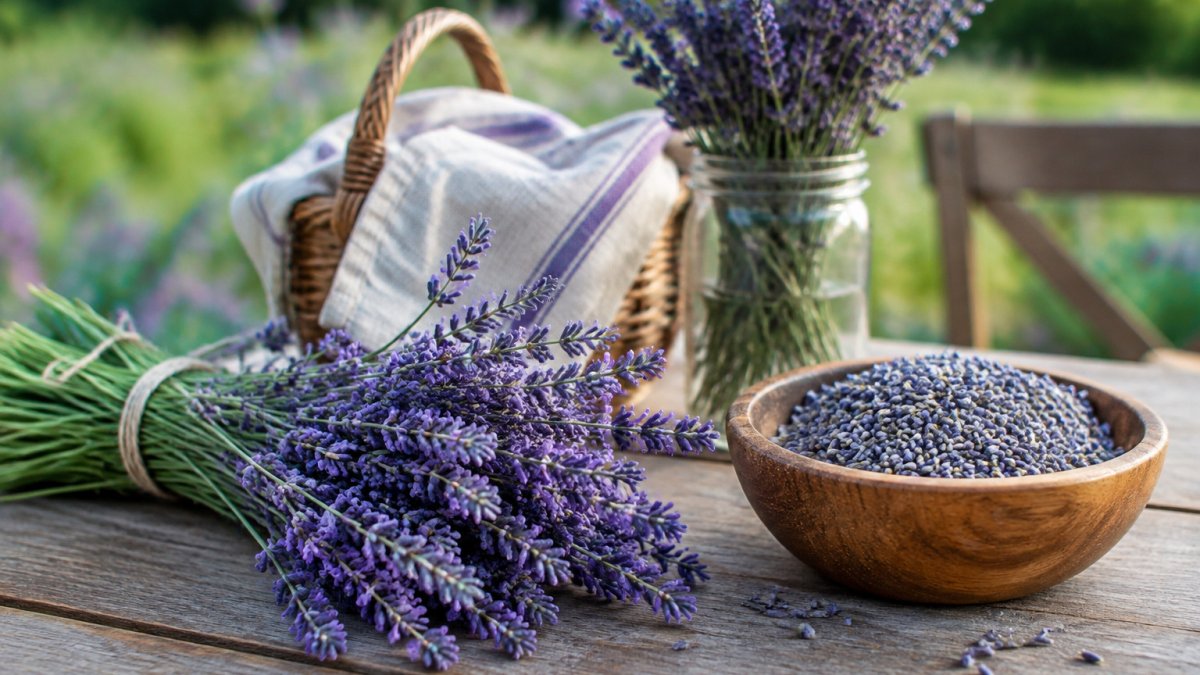
Culinary lavender is usually English lavender, Lavandula angustifolia, and it is sold as dried flower buds, sometimes with a short piece of stem. The buds are small, tightly closed, and blue-purple to gray-green. Ornamental lavender may have longer stems, looser flowers, or a stronger camphor-like scent, which can make baked goods taste soapy or bitter. Buying from a seller that clearly labels the product as culinary makes identification much easier.
How much lavender should you use in baking?
Start with about 1 teaspoon of dried culinary lavender buds for a batch of cookies or a small cake, and adjust after tasting. Lavender is strong, so more is not better: too much can taste soapy or bitter. Crush the buds lightly or steep them in warm milk or cream before adding, which spreads the flavor more evenly through the batter.
Where can you buy lavender for baking?
Look for culinary or food-grade lavender from sellers who state how the lavender was grown and processed. Bayer Farms offers lavender products and culinary goods made in small batches or processed in a local Kentucky laboratory. For current availability and pricing, visit the Bayer Farms website, since prices depend on quantity and delivery options.
Comments